

Picture the last outfit that made you feel completely put together — not just dressed, but styled. Chances are the bag had something to do with it. A bag can pull an entire look into focus or quietly work against it, and the difference rarely comes down to spending more money. It comes down to a handful of simple rules that any stylist uses without even thinking about them anymore. Learn them once, and you’ll never stand in front of your closet second-guessing a bag choice again.
Rule one: let one thing lead
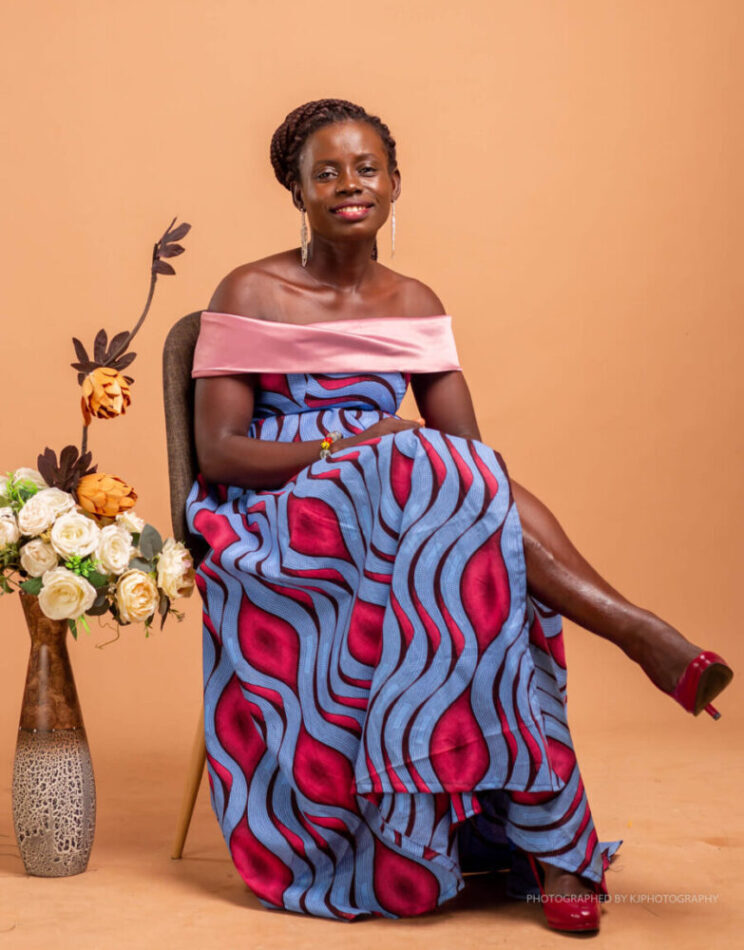
An outfit only needs one focal point. If your outfit is already busy — a bold print, a bright color, layered textures — let your bag stay quiet and neutral. If your outfit is simple, a bag in a great color or a statement shape becomes the detail that makes the whole look feel intentional rather than plain. Trying to make both the outfit and the bag compete for attention is the fastest way to make a look feel cluttered instead of styled.
Rule two: match a detail, not the whole outfit
You never need your bag to match your shoes exactly, and matching everything head-to-toe often reads as trying too hard. Instead, pick up on one detail — echo a color from your top, a metal tone from your jewelry, or a texture from your shoes — and let the rest of the outfit stay independent. This single trick is why a well-dressed outfit feels cohesive without looking coordinated in a stiff, matchy way.
Rule three: build a neutral foundation, then have fun
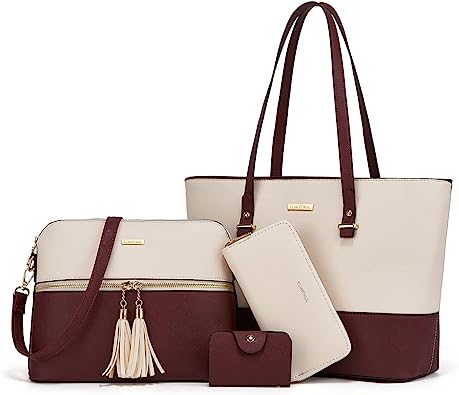
A black, camel, or tan bag works with almost everything you own, which is exactly why stylists call these your foundation pieces — the ones that solve 80% of your outfit decisions without a second thought. Once that base is covered, a bag in a genuinely fun color or unexpected texture becomes a low-risk way to experiment, since it’s the easiest single piece to swap out if a look doesn’t land.
Rule four: let proportion do the work
Scale matters more than most people realize. A large, structured tote can overwhelm a delicate, flowy outfit, while a tiny clutch can get visually lost against something bold and oversized. As a general guide, balance a fitted, tailored outfit with a structured bag, and let a flowier, more relaxed outfit carry a softer, slouchier bag. When in doubt, match the bag’s energy to the outfit’s energy rather than its exact style.
Rule five: dress for the occasion, not just the outfit
The most polished-looking people rarely pick a bag in isolation — they think about where they’re actually going. A crossbody or a sling bag reads as effortless for daytime errands and travel. A structured tote signals “at work” even over a casual outfit. A small clutch instantly elevates a look for evening, regardless of what you’re wearing with it. Matching the bag to the occasion often does more visual work than matching it to the outfit’s color.
Rule six: let your hardware talk to your jewelry
This is the detail most people never think to check, and it’s an easy one to get right once you know to look for it. Gold zippers, clasps, and buckles pair naturally with gold jewelry and warmer tones like camel, cream, and olive. Silver hardware pairs more naturally with cooler tones — black, grey, navy, and icy pastels — and with silver or white-gold jewelry. You don’t have to follow this rule strictly, but if an outfit feels slightly “off” and you can’t quite say why, a hardware and jewelry mismatch is often the quiet culprit. Mixing metals intentionally can look great too — just make sure it looks like a choice, not an accident.
Rule seven: let the season guide the material
Material carries just as much seasonal signal as color does, and it’s an easy way to make an outfit feel current without buying anything new. Straw, canvas, and raffia bags read as warm-weather pieces even paired with darker colors, which makes them a great way to lighten up an early-fall outfit before you’re ready to fully commit to sweater weather. Structured leather and suede, on the other hand, feel instantly more autumn and winter — even a bright leather bag in a summery color will read as more seasonal than a straw bag in the same shade. If a bag feels slightly out of step with an outfit and the color seems right, check whether the material is sending the wrong seasonal signal.
A simple way to decide, fast
When you’re short on time, ask yourself four questions in order: What’s the occasion? Is my outfit busy or simple? What color or metal tone is already present that I could echo? And does the bag’s material match the season I’m actually dressing for? Answer those, and the right bag is usually obvious — no laying out five options on the bed required.
Here’s how that plays out in practice. Say you’re getting dressed for a Saturday morning coffee run in jeans, a plain white tee, and gold hoop earrings. The occasion calls for something relaxed, the outfit is simple, so this is a moment where the bag can be the interesting detail. Gold hoops mean gold hardware will feel more cohesive than silver. And if it’s early autumn, a woven or canvas crossbody keeps things light rather than reaching for heavy leather too soon. That’s four quick decisions that took longer to read than they will to make once the habit sticks.
Common mistakes worth avoiding
A few small missteps show up more than any others, and each one is easy to fix once you know to watch for it. Carrying an oversized tote with a delicate, fitted outfit is one of the most common — the scale mismatch makes even a beautiful bag look like it wandered in from a different look entirely. Another is defaulting to the same going-out bag for every single evening occasion, regardless of what you’re wearing, which can flatten an otherwise interesting outfit into something that looks unfinished. And perhaps the most avoidable mistake of all: buying a bag purely because it’s trending, without checking whether it actually fits into the neutral-and-statement balance already living in your closet. A bag you love in isolation but never reach for isn’t saving you time — it’s taking up space.
Building toward a wardrobe that just works
None of these rules requires an overhauled closet or a big shopping trip. Start by identifying whether you already own a solid neutral bag — most people do, even if it’s been overlooked in favor of something flashier. From there, notice which occasions your current bags actually cover, and which ones leave you improvising. That gap, whether it’s a proper work tote, a going-out clutch, or a lightweight crossbody for travel, is usually the one piece worth buying next. A wardrobe that works isn’t the one with the most bags in it; it’s the one where every bag already knows its job.
Quick answers
Do my shoes and bag really need to match?
No. A shared color family or texture is enough — exact matching often looks dated rather than polished.
Can I wear a colorful bag with a colorful outfit?
Yes, if the colors sit in the same family or complement each other — the goal is one clear focal point, not zero color.
What’s the single most useful bag color to own first?
A neutral like black, camel, or tan. It pairs with more of your wardrobe than any other color and is the fastest way to stop overthinking daily outfit decisions.